Riparian and stream ecosystem workshop set for Oct. 30 in Oakalla
Educational program for residents of the Lampasas River watershed

Texas A&M AgriLife's digital magazine and newsroom
Explore the latest research, teaching and outreach related to natural resources, agriculture, ecosystems, and the interconnectivity of our environment.
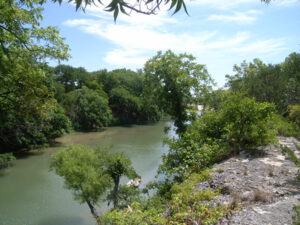
Educational program for residents of the Lampasas River watershed
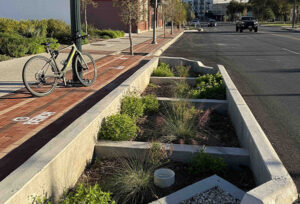
Natural resource and water professionals are invited to the workshop
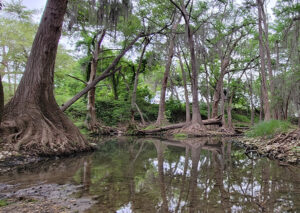
Residents of Cypress Creek and Blanco River watersheds are invited to educational program
Residents are invited to water well screenings and results meetings
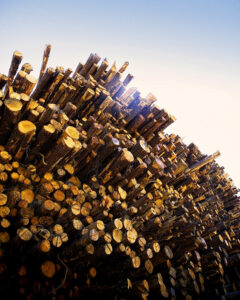
Architecture and forest researchers explain what cross-laminated timber is and how it supports sustainable construction
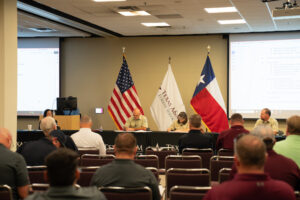
Almost 900 trucks and units provided through funding
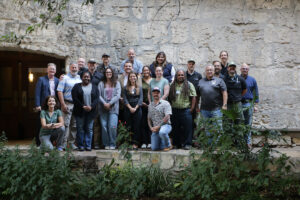
Program’s goal is to expand natural resource professionals network across Texas
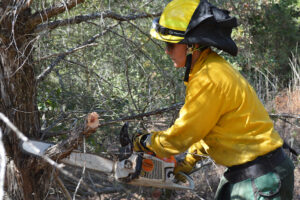
More than 350 firefighters expected to attend
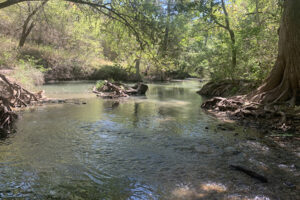
Meeting seeks public input on improving watershed health and quality
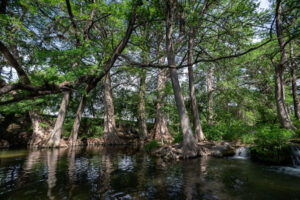
Event to focus on Upper Medina River watershed

Strategic hires bolster research and teaching in Department of Ecology and Conservation Biology
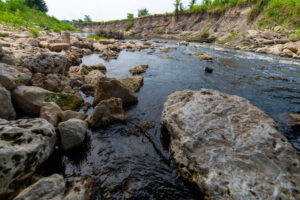
Workshop will cover Big Elm, Deer, Pond, Middle Yegua and Brushy creeks
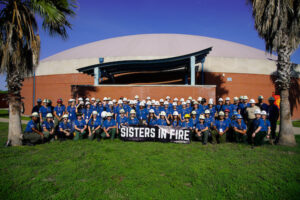
Texas A&M Forest Service provides hands-on learning, introduction to careers
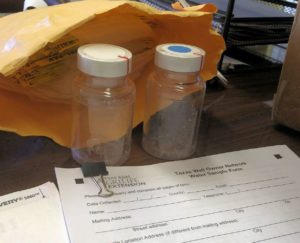
Bexar County residents can get well water sampled for bacteria, E. coli
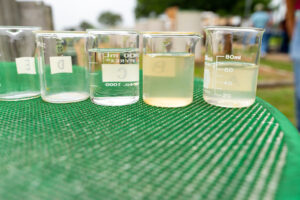
Residents are invited to water well screenings and results meetings
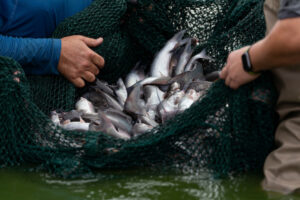
Researchers at Texas A&M AgriLife are studying plant-based compounds as alternatives to antibiotics to strengthen the health, sustainability and economic resilience of U.S. catfish production, the nation’s largest aquaculture industry.

Texas A&M AgriLife Extension Service released a new fact sheet, “Wildlife Monitoring and Management for New World Screwworm,” to help Texans protect wildlife from the threat of this potentially devastating parasite.

Xu Zhang, Ph.D., has joined the Department of Plant Pathology and Microbiology as an assistant professor and began her new role on Aug. 1. Zhang’s expertise spans synthetic biology, electrochemistry and materials science to engineer microbe-based biotechnologies for environmental protection.

Annual event aims to remove litter from stream banks, roadways and other public spaces
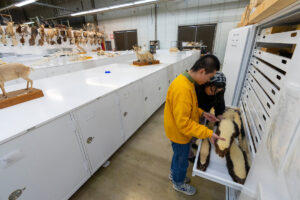
The Department of Ecology and Conservation Biology is helping lead a national effort to transform how scientists access and use biodiversity data by digitizing tens of thousands of mammal specimens from its Biodiversity Research and Teaching Collections.
