Spinach peptide discovery leads to citrus greening treatment
Full federal registration clears commercial product for nationwide use

Texas A&M AgriLife's digital magazine and newsroom

Full federal registration clears commercial product for nationwide use

AgriLife Research scientist Hamer validates new tool to track kissing bugs and disease risk in Argentina

New section head brings global expertise to molecular diagnostics

Former Texas A&M Veterinary Medical Diagnostic Laboratory director to ensure continuity of research priorities

Cost-share opportunities offer Texas landowners critical resources to mitigate destructive disease

A year of research, education and service to Texas and beyond

Texas A&M Veterinary Medical Diagnostic Laboratory expert turns diagnostic tests into disease surveillance

Texas A&M AgriLife experts are serving as key research and Extension partners in a new multistate response led by USA Rice to address the devastating spread of rice delphacid, an invasive pest now threatening thousands of acres across Texas, Louisiana, Arkansas and Mississippi.

Perspective article warns that underestimating Chagas risks diagnosis time, treatment and surveillance

Magalhaes melds entomology, epidemiology to safeguard human, animal health
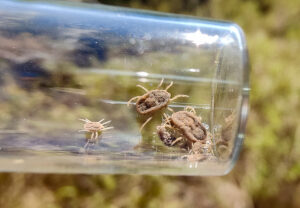
Collaborative study tackles tick that threatens human health and pork industry
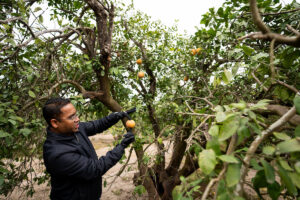
Multistate grant to investigate two innovative techniques for sustainable therapeutic delivery

Stay safe from mosquito-borne disease by preventing bites

Natural plant peptides may provide a new way to combat hard-to-treat plant diseases

Texas A&M Veterinary Medical Diagnostic Laboratory continues diagnostic testing to protect industry

Pénzes brings fundamental and applied research background to the study of animal viruses

Federal grants to help wrangle vector-borne disease of tomatoes, peppers, thousands of other plants

Texas A&M AgriLife-led research looks at the nexus of wildlife and livestock for solutions to zoonotic disease

Scientists assess a tick’s potential to spread disease in Southern U.S.

AgriLife Research scientists switch from defense to offense to fight the U.S.’s most devastating citrus disease
